 help
help

Nasal Cavity and Sinus Cancers
Nasal Cavity and Sinus Cancers
Nasal cavity and sinus malignancies are conditions in which cells in and around the nose grow and replicate abnormally, resulting in the formation of a tumor. You may experience nasal congestion or headaches. During therapy for a sinus infection, your doctor may detect the tumor.
Cancers of the nasal cavity and sinuses are uncommon. Each year, only around 2,000 persons in the United States are affected. Many tumors of the nasal cavity or sinuses are not malignant, but some are. However, certain tumors that aren't cancerous to begin with can become cancerous if left untreated.
Learning as much as you can about your diagnosis will help you feel more prepared to discuss treatment options and care with your doctor. If you or a family memberhave been told that you have nasal cavity or sinus cancer, here is some information to help get you started.
Anatomy of the Nasal Cavity and Paranasal Sinuses
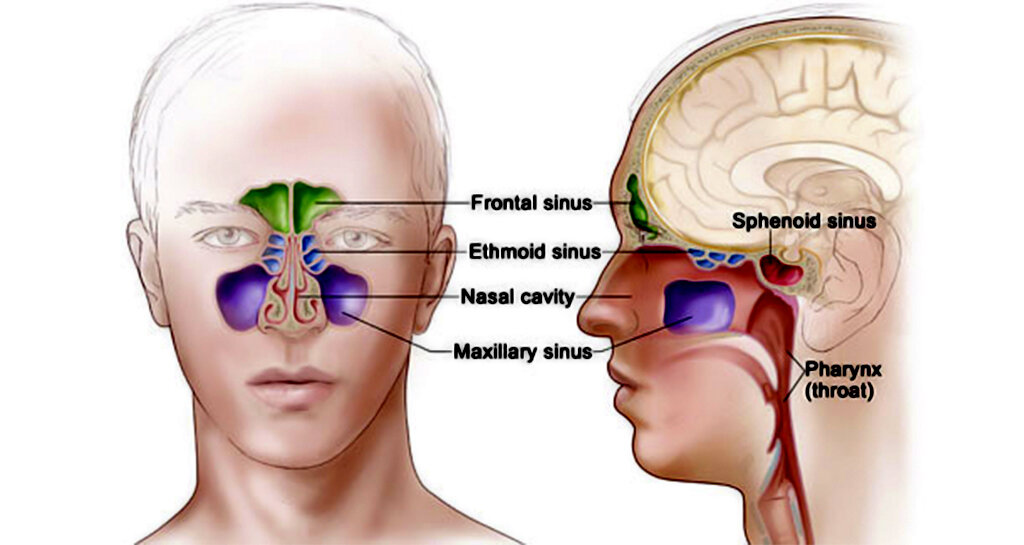
The nasal cavity is a big, air-filled region in the centre of your face above and behind your nose. It features two nostril apertures that warm and moisturize the air you breathe in. A layer of cells covers your nose and sinuses, producing mucus and warming the air you breathe. They also have an impact on how your voice sounds when you talk.
There are four types of paranasal sinuses inside the nasal cavity. The paranasal sinuses are a collection of hollow, air-filled cavities that surround your nasal cavity. These are some examples:
The maxillary sinuses are placed behind the cheeks.
The ethmoid sinuses are placed between the eyes.
The sphenoid sinuses are positioned deep in the nasal cavity front, behind the ethmoid sinuses.
Front sinuses, which are located above the eyes
Tumors are more likely to begin in the nasal cavity than in the sinuses. When tumors do develop in the sinuses, they tend to form in the maxillary sinuses.
Symptoms of Nasal Cavity and Sinus Cancers
Tumors are more likely to begin in the nasal cavity than in the sinuses. When tumors do develop in the sinuses, they tend to form in the maxillary sinuses.
In their early stages, nasal cavity and sinus tumors rarely cause symptoms. When the tumor has grown large enough to block the nasal cavity or the affected sinus, or when it has spread to other surrounding tissue, most people detect symptoms.
Common symptoms of nasal cavity and sinus carcinoma include:
Nasal congestion that will not go away.
Chronic sinus infections that are not treated with antibiotics.
Headaches on a regular basis.
Face discomfort.
Nose bleeds.
Puffiness of the eyes.
Reduced perception of smell.
More advanced illness is linked to:
Numbness around the cheeks and upper lip due to loose teeth
swelling in the mouth, jaw, or neck double vision
Risk Factors for Nasal Cavity and Sinus Cancers
Tobacco use is a risk factor for nasal cavity and sinus cancers.
If you have a noncancerous tumor called an inverted papilloma in your nasal passages or sinuses, you are at a greater risk. Up to 10 percent of all inverted papillomas become cancerous if left untreated.
Nasal cavity and sinus cancers are also more common among people who have had significant exposure to:
Wood dust
Nickel
Chemicals used in leather processing
Types of Nasal Cavity and Sinus Cancers
The appearance of cells obtained from the tumor under a microscope determines the sort of nasal cavity or sinus tumor you have. During a biopsy, these cells are collected.
Squamous cell carcinoma is the most prevalent kind of nasal cavity or sinus cancer. Squamous cells are the thin, flat cells that line the nasal and sinus passageways.
Salivary gland cancer, sarcoma, esthesioneuroblastoma, lymphoma, sinonasal undifferentiated carcinoma, and melanoma are other forms of malignant tumors.
Squamous papilloma, inverted papilloma, and adenoma are examples of noncancerous nasal cavity and sinus tumors.
The type of nasal cavity or sinus cancer determines how the disease will respond to specific treatments. This allows us to tailor your treatment to your specific needs.
Nasal Cavity and Sinus Cancer Diagnosis
The initial step in the diagnosis of nasal cavity or sinus cancer is a biopsy. A little piece of the tumor is removed during a biopsy. The sample is then examined by a pathologist to determine the sort of tumor you have.
Special X-rays, such as CT scans, MRIs, or PET/CT scans, may reveal more information about the depth of the cancer and whether it has spread.
Dr. Chaddha can tell you the stage of your cancer based on the information from your biopsy and imaging scans. The stage of cancer determines how prevalent or advanced it is. It directs the therapy suggestions.
Squamous papilloma, inverted papilloma, and adenoma are examples of noncancerous nasal cavity and sinus tumors.
Determining the type of nasal cavity or sinus cancer helps doctors predict how the disease will respond to specific treatments. This way we can personalize your treatment. noncancerous nasal cavity and sinus tumors.
